
Measurement · the behavioral Score
A measure across six weighted families, read out as the Orb.
Its validity, reliability, and resistance to gaming must be defensible to an outside examiner.
If your work concerns validity, reliability, and the ways a measure can be overfit or quietly corrupted, it stands beneath the thing here that must survive the hardest scrutiny — the credential itself.

The SimFi Trader Score is a behavioral measure, zero to one thousand, across six weighted families. It is not a profit-and-loss number. It must satisfy the questions your field asks of any measure: does it measure what it claims, and does it hold up on repetition?
Measurement · the behavioral Score
Its validity, reliability, and resistance to gaming must be defensible to an outside examiner.
Validation · reliability & calibration
Human raters calibrate against worked exemplars; computed measures are guarded against false discovery and flattering historical fit.
We need the Score to be defensible as a measurement: its families and bands guarded against drift and gaming, its reliability reported honestly, its methodology built to be read by outside examiners rather than hidden. And we need the anti-overfitting posture enforced without mercy — the discipline that separates a real signal from a number fit to its own history.



You already have standing, students, and venues. Here is what this offers that they do not.
This measure is being defined now, with an open, peer-reviewable methodology and validity built in from the ground up.
Longitudinal, instrumented observation of operators under pressure — the raw material needed to test whether a construct holds.
The exact failure mode your field exists to prevent — a number tuned until it looks predictive — is the one this credential most needs guarded.
A measure built to travel with an operator across a career — your methodological fingerprint on an instrument used beyond a single course.
The concern a measurement scholar brings is the sharpest of all: that a conflict of interest will corrupt the measure. The architecture removes the hand. No party that profits from a high Score controls how it is computed.
There is no incentive path to inflate the measure, because no one who benefits from it owns it.
That is the condition your discipline would insist on before lending a name — and it is built in, not promised.

These are illustrative anchors. We cite them precisely and represent them as findings — never as endorsements we have not been given.
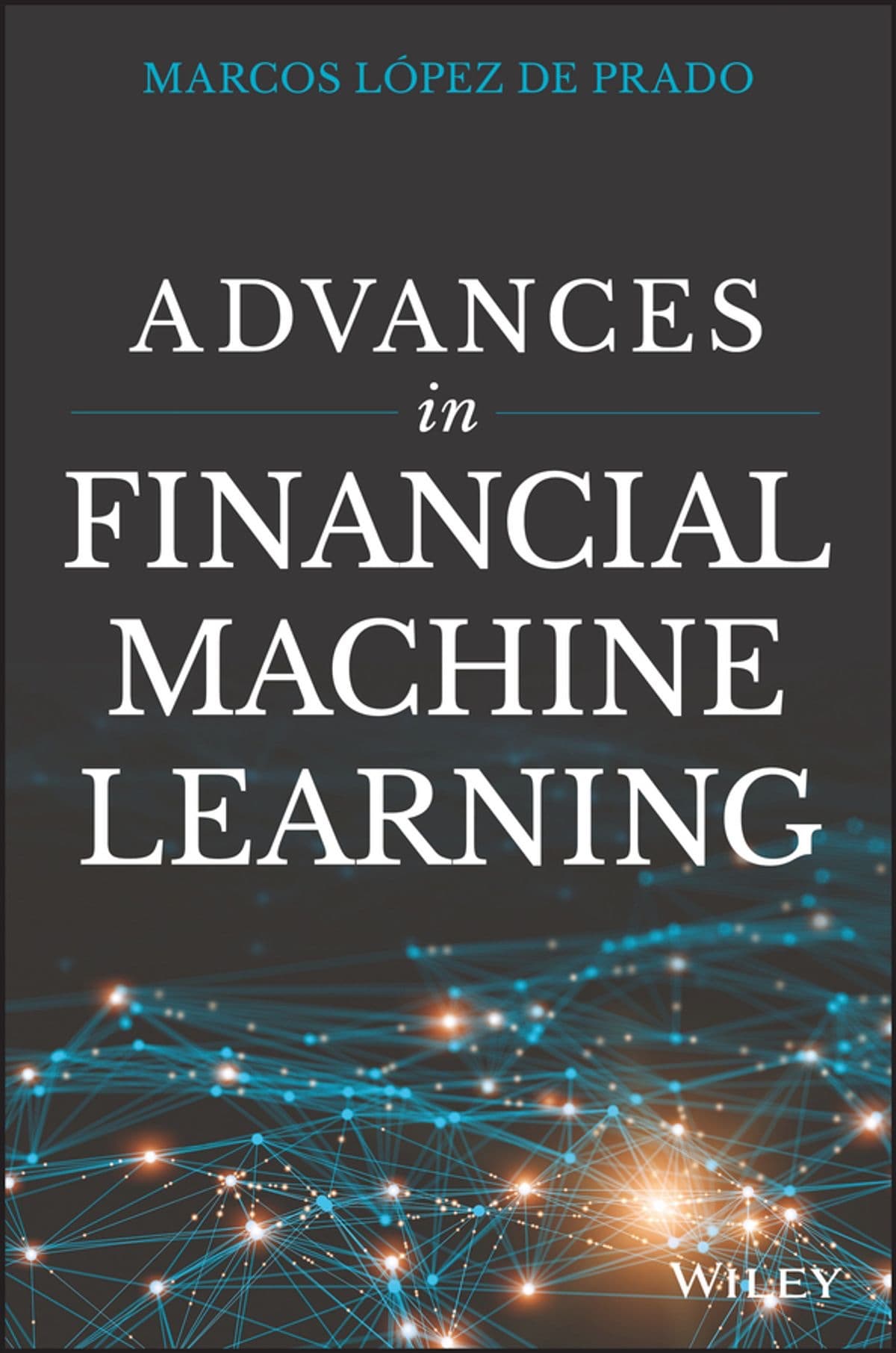
Advances in Financial Machine Learning.
Underpins · False discovery & disciplined validation

The deflated Sharpe ratio: correcting for selection bias, backtest overfitting, and non-normality.
Underpins · Correcting for overfitting & selection bias
Pseudo-mathematics and financial charlatanism. Notices of the AMS 61(5):458–471.
Underpins · The standard for an honest quantitative claim
Trading is hazardous to your wealth. The Journal of Finance 55(2):773–806.
Underpins · What actually predicts trader outcomes
The roster is illustrative, not exhaustive, and citation is not endorsement. Where the evidence is contested or thin, we say so and build to the edge of what the research supports — no further.
Involvement scales to your time. Any one of these is a complete contribution; none assumes the others.
Shape how validity, reliability, and overfitting are handled.
Hold a named Academic Advisory Board seat overseeing the Score's integrity.
Periodic sessions reviewing the instrument and its validation with the team.
Contributions are recognized and compensated; specific terms are set individually and privately, and structured to preserve the independence described above.
No application to rush — a request to open a conversation about where your work might sit, on your terms and at your pace.
Begin a conversation